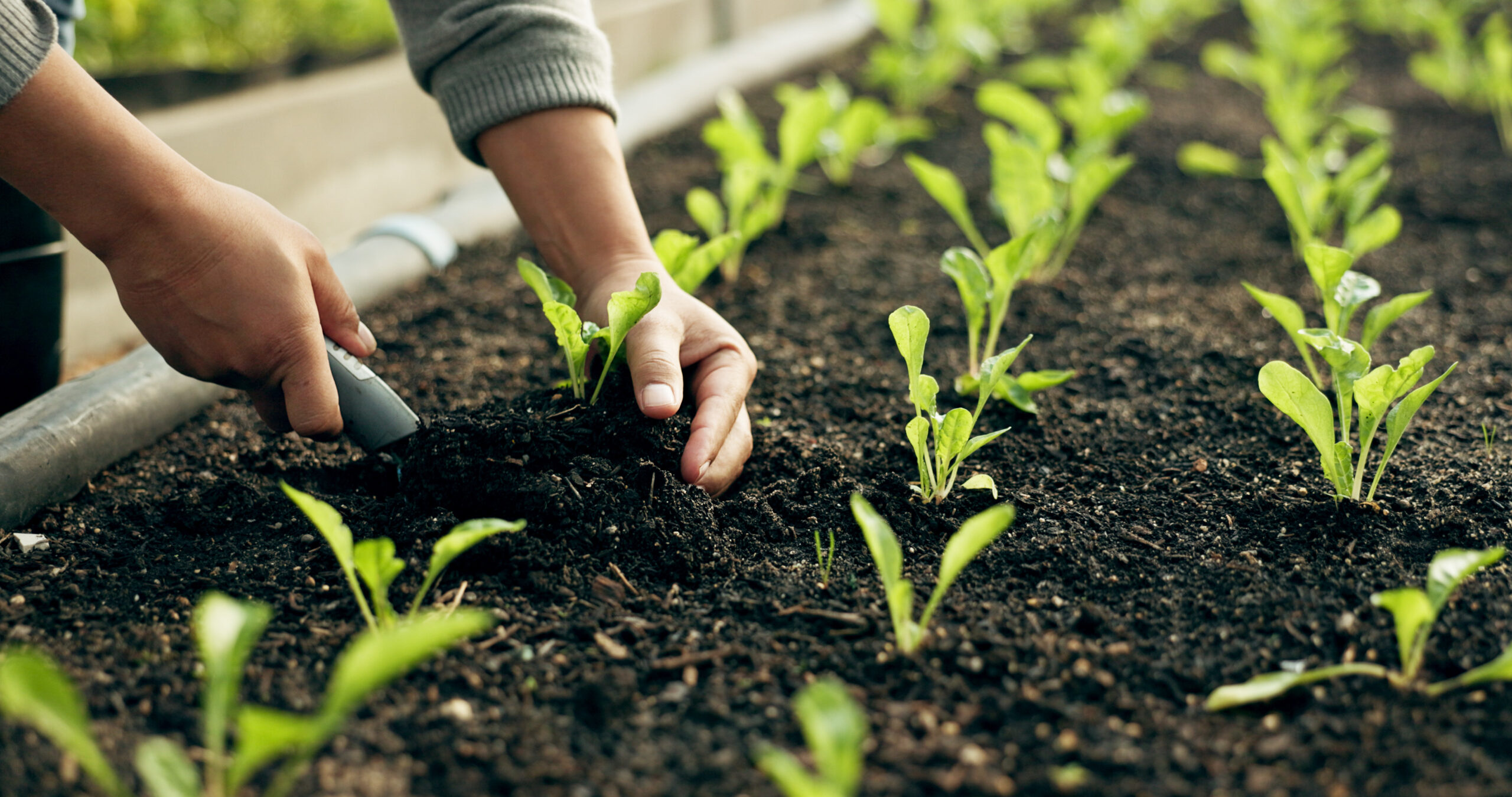
I grew up in Clifton, New Jersey on a large piece of property filled with fruit trees, grapevines, vegetables, flowers, and herbs. From an early age, I was fascinated by plants and how they grow. My parents encouraged me to spend time outdoors, and I quickly learned that caring for the soil and the plants was not just about producing food but about understanding the cycles of nature. Those early experiences shaped the way I see the world and led me to a lifelong passion for organic gardening.
Organic gardening is more than a hobby for me. It is a lifestyle that teaches patience, respect for nature, and the importance of sustainable practices. By growing food and flowers without synthetic chemicals, we nurture the soil, support beneficial insects, and create a balanced ecosystem that can thrive for generations.
The Benefits of Organic Gardening
There are many reasons why organic gardening is so valuable. First, it produces healthier food. When we avoid pesticides and chemical fertilizers, the fruits and vegetables we grow are cleaner and often more flavorful. Eating food we have grown ourselves also helps us appreciate what goes into our meals. It encourages healthier eating habits and a closer connection to the source of our food.
Organic gardening also benefits the environment. Healthy soil captures carbon, retains water, and reduces erosion. By choosing compost, mulch, and natural fertilizers, we reduce the chemicals that end up in our waterways. Planting a variety of crops and flowers supports pollinators like bees and butterflies, which are essential to the health of our planet. Even small efforts, like growing herbs on a windowsill, contribute to a larger impact when more people adopt sustainable gardening practices.
Learning from Nature
One of the most important lessons of organic gardening is learning to observe nature. When I work in my garden, I watch how the plants respond to sunlight, water, and soil conditions. I notice insects, birds, and other wildlife that visit and interact with the plants. Organic gardening requires patience because nature does not always follow a strict schedule. Some seasons are bountiful, while others are challenging. By observing and adapting, we learn resilience and gain a deeper appreciation for the natural world.
Gardening organically also teaches us about cycles and sustainability. Composting food scraps and yard waste returns nutrients to the soil. Crop rotation prevents soil depletion and reduces pests naturally. Watering efficiently and using native plants conserves resources. These lessons extend beyond the garden and can be applied to how we live our daily lives, making us more mindful of our impact on the environment.
Connecting Community and Sustainability
Sustainable living is not only about individual practices but also about community. Organic gardening can bring people together through community gardens, workshops, and shared knowledge. When people work together in a garden, they exchange tips, share seeds, and learn from each other’s experiences. Community gardens often provide fresh produce to local families, schools, and food banks, strengthening local food security and encouraging a culture of sharing and cooperation.
I have seen firsthand how gardening can empower communities. Even simple activities like planting herbs or small vegetables in shared spaces teach people about patience, responsibility, and environmental stewardship. When more people participate, the impact grows, and neighborhoods can become greener, healthier, and more connected.
Gardening as a Mindful Practice
Organic gardening also has a personal, meditative quality. Working with soil, plants, and water can be calming and grounding. It encourages focus on the present moment and provides a sense of accomplishment as seeds grow into thriving plants. This mindfulness contributes to mental well-being, reduces stress, and helps us cultivate gratitude for the natural world.
For me, gardening has always been a blend of science and art. From planning the layout of plants to nurturing their growth, each decision requires thought and creativity. The process engages both the mind and the senses. The colors, textures, and scents of a garden enrich life in ways that store-bought food or artificial environments cannot replicate.
Starting Small and Building Habits
One of the misconceptions about organic gardening is that it requires large spaces or significant resources. In reality, anyone can start small. Growing herbs in a window box, maintaining a small vegetable patch, or planting flowers to attract pollinators are all ways to contribute to a more sustainable lifestyle. What matters is developing habits of care, observation, and respect for the environment.
Every small action adds up. By making choices that are better for the soil, water, and air, we reduce our ecological footprint. We also inspire others to consider the impact of their lifestyle choices. Sustainable living begins with awareness, and gardening is one of the most accessible and rewarding ways to cultivate it.
A Lifestyle Rooted in Respect
Organic gardening is not just about food or plants. It is about adopting a mindset of responsibility and respect for the world around us. It teaches us that our actions, no matter how small, have consequences and that we can make a positive difference. By caring for the soil, nurturing plants, and supporting ecosystems, we are also caring for ourselves and our communities.
Sustainability is not a trend; it is a choice and a way of life. Organic gardening offers a tangible, meaningful way to embrace that choice every day. From my childhood in Clifton to my work today in nurseries and community spaces, gardening has shown me that living sustainably is both possible and rewarding. It strengthens our connection to nature, our communities, and ultimately to ourselves.
Through organic gardening, we can create a healthier, more resilient world, one plant at a time.