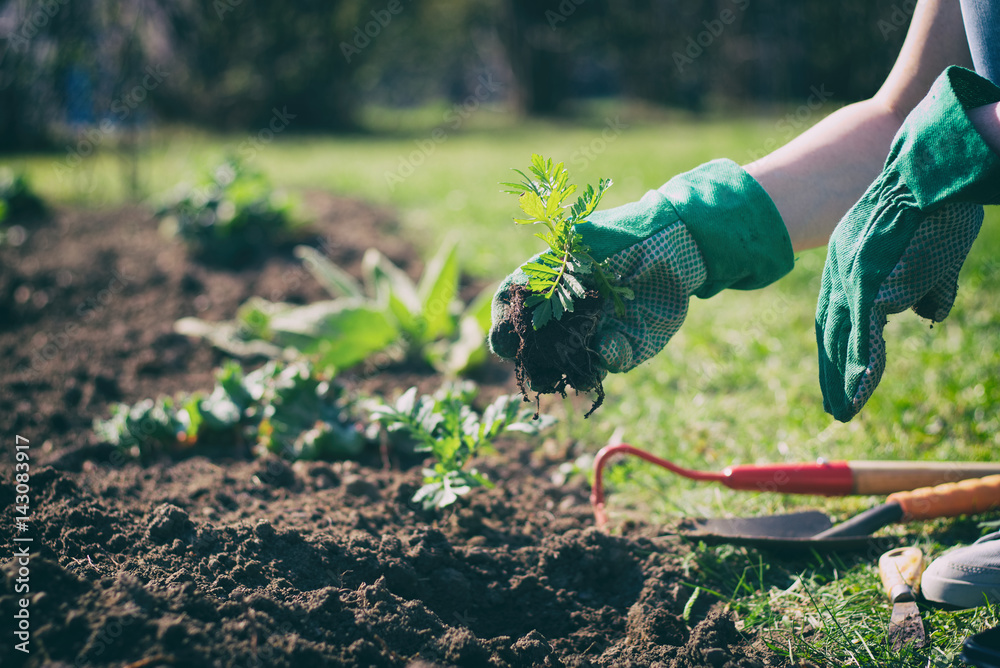
Gardening has been a part of my life since I was a child growing up in Clifton, New Jersey. I spent countless hours exploring the gardens, fruit trees, and vegetable patches on our property, learning how plants grow and thrive. Over the years, I have worked in garden centers, nurseries, and landscaping, gaining experience that I love to share with new gardeners. Whether you are growing herbs on a windowsill or planning a backyard vegetable garden, understanding the essentials of plant nurseries can make your gardening experience more successful and enjoyable.
Choosing the Right Plants
The first step in gardening is selecting the right plants for your space and climate. Not every plant will thrive in every environment. Consider factors like sunlight, soil type, water needs, and temperature when choosing plants. Start with beginner-friendly options, such as herbs, lettuce, tomatoes, or marigolds. These plants are forgiving and will help you gain confidence as you learn.
It is also helpful to visit a local nursery. Nurseries provide guidance on which plants will do well in your area and offer healthy, high-quality seedlings. Choosing strong, disease-free plants is one of the best ways to set yourself up for success.
Understanding Soil and Containers
Healthy soil is the foundation of any garden. Whether you are planting in the ground or in containers, your plants need soil that drains well and contains essential nutrients. In a nursery, you will notice different types of potting mixes and composts. Ask questions about what is best for your plants. For container gardening, use pots with drainage holes and fill them with a mix designed for the specific type of plant you are growing.
Soil preparation does not have to be complicated. Adding organic compost improves texture and nutrient content, while mulch helps retain moisture and regulate temperature. Learning about soil and how to care for it is one of the most valuable lessons for any new gardener.
Watering Wisely
Watering is critical but often misunderstood. Overwatering can be just as harmful as underwatering. Most plants prefer consistent moisture, but the amount depends on the species, the size of the container, and the climate. Check the soil before watering. If the top inch of soil is dry, it is time to water. For outdoor gardens, watering in the early morning is best to reduce evaporation and allow plants to absorb water throughout the day.
Nurseries often provide advice on watering schedules and plant care. Pay attention to their instructions, especially for seedlings, which are more sensitive than established plants. Developing a routine and paying close attention to your plants’ needs will help them thrive.
Understanding Light Requirements
Light is another essential factor for plant health. Most vegetables and herbs require full sun, meaning at least six hours of direct sunlight per day. Some plants, such as leafy greens or ferns, tolerate partial shade. When selecting plants at a nursery, ask about their light requirements and place them accordingly in your garden or home.
For indoor gardening, consider bright windows or supplemental grow lights. Proper lighting ensures healthy growth, stronger stems, and vibrant leaves. Observing how sunlight moves through your space can help you choose the best locations for each plant.
Fertilizing and Plant Nutrition
Plants need nutrients to grow strong and produce flowers, fruit, or foliage. Fertilizers provide the essential elements plants need, including nitrogen, phosphorus, and potassium. Nurseries offer a range of options, from organic fertilizers to slow-release formulas. For beginners, organic fertilizers are often easier to use and safer for indoor and outdoor plants.
It is important not to over-fertilize. Too much fertilizer can harm plants and damage the soil. Follow instructions carefully and observe your plants. Healthy growth, rich color, and strong stems indicate that your plants are getting the nutrients they need.
Pest and Disease Management
Pests and diseases are a natural part of gardening. The key is to manage them without causing harm to your plants or the environment. Nurseries often provide advice on organic pest control and safe treatment options. Regularly inspect your plants for signs of stress, discoloration, or insect activity.
Preventative measures, such as proper spacing, good air circulation, and healthy soil, reduce the risk of problems. If you catch an issue early, it is easier to address and prevents it from spreading. Learning to care for plants in a way that supports natural resilience is an essential skill for any gardener.
Learning from Experience
Gardening is a journey, and every new gardener will make mistakes along the way. Some plants may not survive the first season, or unexpected weather may affect growth. The important thing is to observe, learn, and try again. Nurseries are valuable resources for advice, workshops, and supplies. They can guide you through the learning process and help you build confidence.
Over time, you will develop a sense of rhythm and understanding for your garden. You will learn which plants thrive together, how to care for your soil, and how to respond to challenges. These lessons are part of the joy of gardening and make each success even more rewarding.
Enjoying the Rewards
The best part of gardening is enjoying the results of your work. Fresh herbs, vegetables, and flowers grown at home provide flavor, beauty, and satisfaction. Sharing your harvest with family, friends, or neighbors adds another layer of joy. Gardening connects you to nature, promotes mindfulness, and encourages a sustainable lifestyle.
By starting with a solid understanding of plant nursery essentials, new gardeners set themselves up for success. Choosing the right plants, providing proper soil, light, and water, and learning to care for them patiently creates a strong foundation. Gardening is not just about plants. It is about observation, patience, creativity, and connection.
Conclusion
Plant nurseries are more than places to buy plants. They are educational hubs where beginners can gain knowledge, find support, and start building a thriving garden. By paying attention to plant health, soil, watering, light, nutrition, and pest management, new gardeners can enjoy a fruitful and rewarding experience.
Gardening is a lifelong learning process. Every season brings new lessons, challenges, and successes. With patience, observation, and guidance from nurseries and experienced gardeners, anyone can grow a garden that is healthy, beautiful, and sustainable. Starting with these essentials ensures that your gardening journey is not only successful but also deeply satisfying.