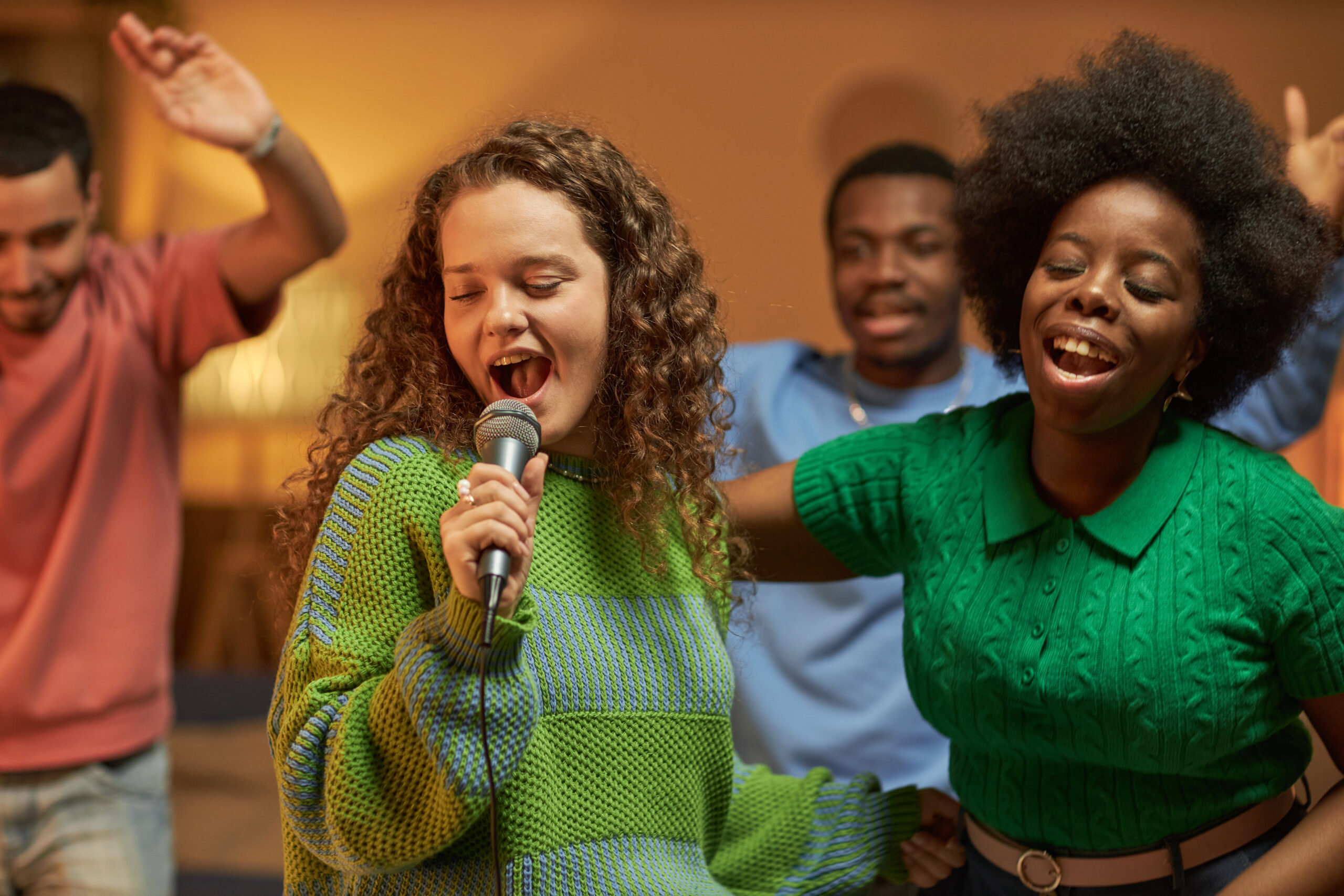
Music has always been a central part of my life. As a teenager, I played drums and percussion in a small band with my brother, and over the years, I have explored other instruments, including the Native American flute. While performing music alone can be satisfying, I have found that sharing music with others in a community setting brings a completely different experience. Community music gatherings, such as drum circles, concerts, and informal jam sessions, have a unique ability to bring people together, creating bonds that last long after the music stops.
There is something powerful about a group of people coming together to make sound. When we participate in music as a group, we synchronize not just our rhythm but also our attention and energy. The experience fosters connection and reminds us that we are part of something larger.
Building Connections Through Rhythm
One of the most effective ways to strengthen social bonds through music is through rhythm. In drum circles, for example, people gather to create beats together. There is no performance to impress anyone, no hierarchy of skill. Everyone contributes to a shared rhythm, and in doing so, people learn to listen to one another.
When individuals align with the pulse of the group, they develop a sense of unity. People naturally respond to each other, adjusting their timing and dynamics to create harmony. This collaborative process encourages empathy and patience. It teaches participants to be aware of others and to contribute in a way that benefits the whole group. Over time, these lessons extend beyond the music and influence how people interact in their daily lives.
Encouraging Inclusion and Acceptance
Community music gatherings are inclusive spaces where people of all ages, backgrounds, and skill levels can participate. I have seen shy participants blossom when they feel accepted in a circle. People who are experienced musicians often support beginners, creating a sense of mentorship and encouragement.
The inclusive nature of music gatherings fosters social cohesion. When people feel welcomed and valued, they are more likely to engage, communicate, and build friendships. Music becomes a bridge that connects individuals who might never otherwise meet. In this way, community music gatherings promote understanding and reduce social isolation.
Shared Experiences Create Lasting Memories
One of the most important ways community music strengthens social bonds is by creating shared experiences. When people participate in a drum circle, sing together, or attend a local concert, they are creating memories that link them to others. These moments of shared joy and accomplishment form the foundation of strong social connections.
Shared experiences also generate trust. Participants rely on one another to maintain rhythm, support group dynamics, and contribute to the collective energy. That reliance fosters a sense of responsibility and mutual respect. As people return to these gatherings regularly, they develop relationships built on positive shared experiences, reinforcing the bonds within the community.
Promoting Emotional Expression and Support
Music has a unique ability to express emotions that words often cannot. In community gatherings, people can share their feelings through sound, movement, or song. This emotional expression is both cathartic and connecting.
When individuals play, sing, or improvise together, they create a safe space for vulnerability. Participants witness each other’s expression and respond with empathy and encouragement. These moments of emotional sharing help people feel understood and supported, which strengthens social ties and fosters a sense of belonging.
Strengthening Cultural and Community Identity
Community music gatherings also celebrate cultural heritage and collective identity. Drumming, folk songs, and traditional instruments often carry stories and histories that connect people to their roots and to one another. Participating in these gatherings helps reinforce a sense of pride and continuity.
When communities engage in music together, they reinforce shared values and experiences. The gathering becomes a living expression of culture, and the bonds formed are strengthened by common understanding and appreciation. This shared identity enhances trust, cooperation, and a sense of purpose within the community.
Encouraging Participation and Collaboration
Another way music strengthens social bonds is by encouraging collaboration. Whether it is coordinating a rhythm, harmonizing a melody, or improvising together, participants must communicate and cooperate. This collaborative spirit translates into other areas of life, such as teamwork, problem-solving, and mutual support.
Community music gatherings also provide opportunities for leadership and mentorship. Experienced musicians guide newcomers, share techniques, and help facilitate the flow of the group. These interactions deepen relationships and build networks of support within the community.
Creating a Positive Ripple Effect
The benefits of community music gatherings extend beyond the participants themselves. Families, friends, and neighbors often become involved, attend performances, or support local events. The sense of connection and shared purpose spreads, creating a ripple effect of social cohesion and community engagement.
Through music, communities can build resilience and strengthen social bonds in ways that are joyful and meaningful. The shared experiences, emotional expression, and collaborative opportunities foster a sense of belonging that is essential for healthy communities.
Music as a Universal Language
At its core, music is a universal language that transcends differences. It speaks to people across generations, cultures, and backgrounds. Community music gatherings provide a platform for that language to flourish, connecting people who may not have met otherwise.
Over the years, I have facilitated drum circles and taught music workshops in New Jersey and beyond. Each gathering reinforces a simple truth: when people come together to create music, they also come together as human beings. Bonds are formed, friendships grow, and communities become stronger.
Conclusion
Community music gatherings are more than just entertainment. They are opportunities to connect, collaborate, and support one another. Through rhythm, song, and shared experience, people learn to listen, respond, and engage with empathy and joy. These gatherings build social bonds that strengthen communities, promote understanding, and create lasting memories.
Music has the power to unite us, and participating in community music events reminds us that connection is essential to our well-being. From the drum circles I facilitate to the workshops and performances I attend, I continue to see the profound impact of shared music. It is a simple yet powerful way to bring people together and build stronger, more connected communities.